Fanari in Thrace, Hellas (GR)

Thrace’s Summer Seaside Retreats

When temperatures rise, the heart of Komotini beats along the shores of the Thracian Sea. Just 30 km from the city unfolds a coastline of remarkable beauty, with golden sands and crystal-clear waters. Fanari, the “jewel” of the region, is a picturesque seaside village that blends cosmopolitan charm with tradition. Its beaches, with shallow and safe waters, are a favourite among families, while its small harbour lined with fish tavernas offers an authentic taste of the Aegean.

Fanari is a very popular coastal fishing village and summer resort located in the Rhodope,Thrace region of northeastern Greece.
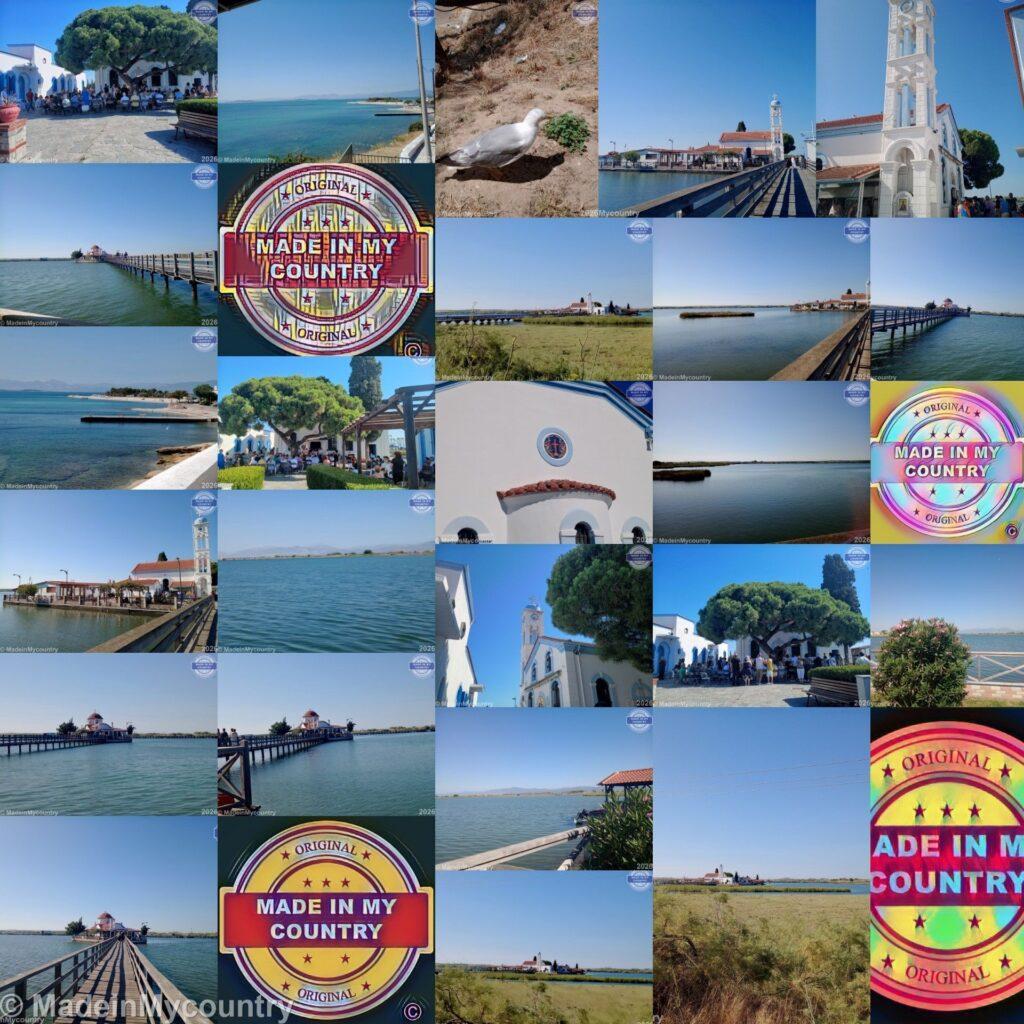
Fanari in Rodopi, Thraki Hellas by MadeinMycountry: The largest independent, ad-free, uncompromising unique network of its kind In he world !!

Situated on the southeastern edge of the Vistonia Bay, about 30–35 kilometers southwest of Komotini and roughly the same distance from Xanthi in northeastern Greece (Hellas)

The “Summer Diamond of Thrace”: It is famous for its long, golden sandy beaches and crystal-clear Blue Flag waters, making it a top tourist destination in the Thracian Sea during the summer months.

It has a small permanent population of a few hundred residents, but it swells significantly with Greek and Balkan visitors in the summer.

The village features a small port, a major camping site, hotels, traditional fish taverns, beach bars, and organized beach facilities.

It hosts the annual Fanari Festival (a popular three-day summer music event) and sits near the rich ecosystems of the Eastern Macedonia and Thrace National Park
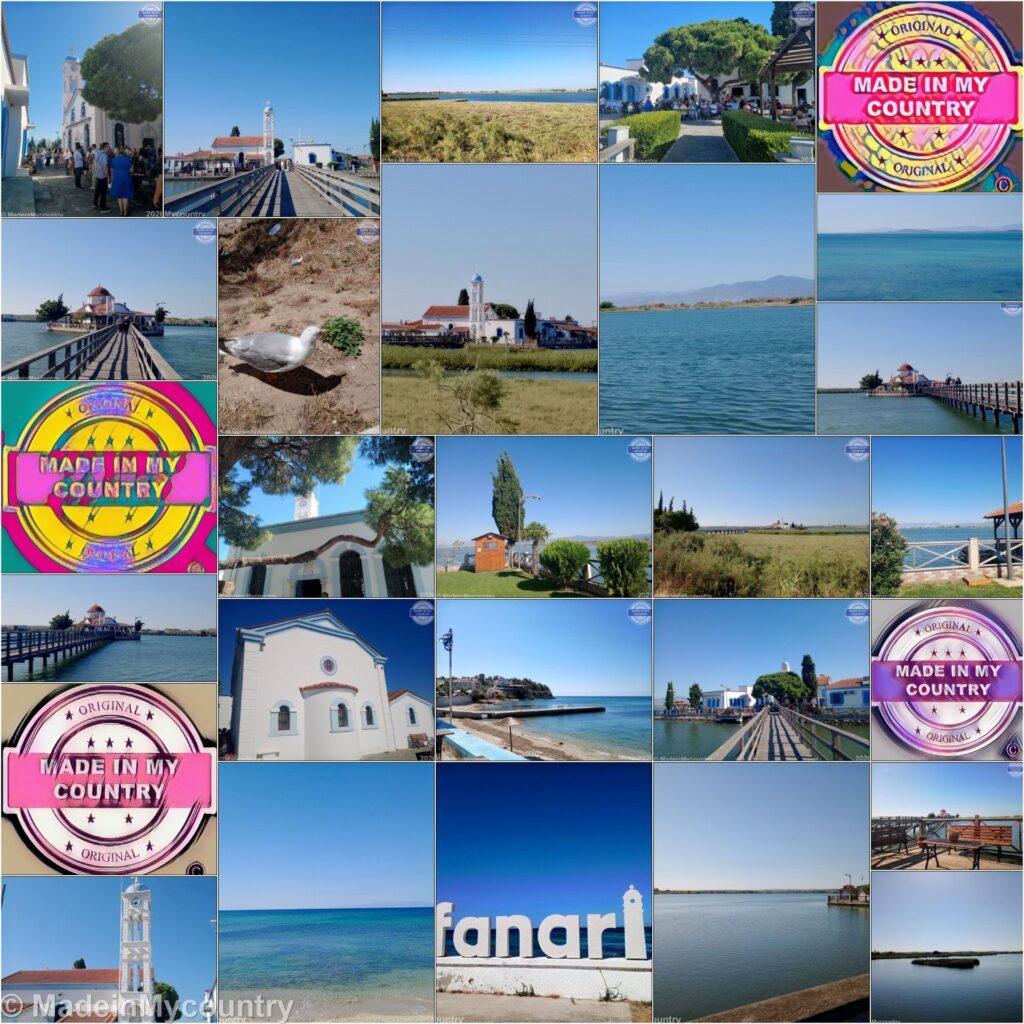
Fanari in Rodopi, Thraki Hellas by MadeinMycountry: The largest independent, ad-free, uncompromising unique network of its kind In he world !!

Complete your experience by exploring the “hidden” corners of the Rhodope region. As you drive towards the coast, views of lagoons that occasionally host flamingos and pelicans prepare you for an encounter with unspoiled nature.

#Fanari,#Rodopi,#Thrace,#Rodhope,#Thraki,#Mediterranean,#Aegean,#AegeanSea,#AegeanSeaofGreece,#EU,#Europe,#GreekIslands,#Aegean,#GreekAegean,#MadeinmycountryGR,#MadeinMycountry,#MadeinGreece,#Greece,#Hellas,#Aegean,#Cyprus,#GreekIslands,#MakedoniaGR,#Macedonia,#Makedonia,#MacedoniaThrace,#MacedoniaGR,#ItisMadeinMycountry,#MadeinMycountryCY,#Culture,#GreekCulture,#GreekHeritage,#GreekNature,#BestofGreece,#FeelthebestofGR,#Nature,#TourAegean,#TurAegean,#GreekAegean,#AegeanSea,#GreekIslands,#GreekIslandParadise

MadeinMycountry at Pireas: Gateway to the Greek Aegean sea and the Greek islands #MadeinMycountryGR

MadeinMycountry at Pireas gateway to the Greek Aegean sea and the Greek islands #MadeinMycountryGR,#MadeinGreeceGR

Pireas (Piraeus) Greek: Πειραιάς Peiraiás [pireˈas]; Ancient Greek: Πειραιεύς Peiraieús [peːrai̯eús]) is a port city within the Athens urban area (“Greater Athens”), in the Attica region of Greece. It is located in the Athens Riviera, 8 kilometres (5 miles) southwest of Athens’ city centre, along the east coast of the Saronic Gulf.
Piraeus has a long recorded history, dating back to ancient Greece. The city was founded in the early 5th century BC, when plans to make it the new port of Athens were implemented: A prototype harbour was constructed, which resulted in concentrating in one location all the import and transit trade of Athens, along with the navy’s base. During the Golden Age of Athens, the Long Walls were constructed to fortify the route from the main settlement to the port (Piraeus). During Athens’ Classical period, the naval base in Piraeus had 372 trireme shipsheds. Beginning in the 3rd century B.C., Pireaus went into a period of cumulative decline. However, it began growing once again in the 19th century, after Athens was made the capital of Greece. Today, Piraeus is a large city, bustling with activity, and an integral part of Athens. It is a huge marine and commercial-industrial centre, and home to Greece’s largest harbour.the busiest passenger harbour in Europe. (Porto Leone)
Piraeus is marked by the diversity of culture among its neighbourhoods. The hill of Kastella is one of the most prosperous and attractive neighbourhoods, with a panoramic view over Athens basin and the Saronic Gulf. Its elegance comes from its numerous neo-classical mansions, while the Veakeio Theater and a church dedicated to the Prophet Elijah are the most popular buildings. The coastal area of Neo Faliro has been upgraded and is also prominent, with the Peace and Friendship Stadium and the Karaiskakis Stadium, an indoor arena and a football ground respectively lying opposite one another, predominating. Mikrolimano and Bay of Zea, are the smaller harbours of Piraeus acts as Marinas, attract large numbers of visitors with their picturesque vistas and vigorous nightlife. Kaminia, by contrast, is a working-class neighbourhood which still preserves the traditional look of an earlier period. The Municipal Theater in the center of Piraeus was built in 1885 and remains an impressive neo-classical building. Located across from the Neo-Byzantine Piraeus Cathedral, it forms one of the most renowned landmarks of the city and a popular meeting place.

#MadeinMycountry,#MadeinMycountryGR,#ItisMadeinMycountry,#Pireas,#Piraeus,#Athens,#Greece,#MadeinGreece,#Hellas,#Cyprus,#MadeinPireas,#MadeinAthens,#Attica,#GreekPorts,#PortoLeone,#MadeinGreeceGR,#MadeinGreeceEU,#MadeinGreeceTravel,#MadeinMycountryEU,#GreekSeas,#AegeanSea,#GreekAegeanSea,#Greece,#GreekMediterranean,#Mediterranean

You cannot copy content of this page